Boston BERDO Compliance Workbook for Condos and Co-ops
Guides & How TosWhy this is important: For Boston condo associations and co-op owners, this workbook provides a step-by-step process on BERDO compliance and Zero-Over-Time planning.

A library of building performance resources sourced from experts and partners from across Massachusetts and beyond. Discover relevant tools, case studies, on-demand training, and more all curated in one spot.
Why this is important: For Boston condo associations and co-op owners, this workbook provides a step-by-step process on BERDO compliance and Zero-Over-Time planning.
Why this is important: A City of Boston resource that provides an introductory summary of measures to improve building performance and lower carbon pollution in buildings.
Why this is important: Zero over Time planning allows building owners to plan their emissions reductions over time, comply with regulations, and optimize cost savings.
Why this is important: Learn how a mid-rise multifamily building plans for long-term Boston BERDO compliance through phased electrification.
Why this is important: Learn how a large affordable building plans for long-term Boston BERDO compliance through phased electrification.
Why this is important: Learn how a mixed-use office building plans for long-term Boston BERDO compliance through phased electrification.
Why this is important: Learn how an elderly care facility / office building plans for long-term Boston BERDO compliance through phased electrification.

Why this is important: Decarbonization Planning Assessments guide building owners on what systems to upgrade, when to do it, and how to reach performance goals in their building.

Why this is important: Models how a large multifamily building that uses district steam to produce hot water for heating can reduce emissions and improve energy efficiency.
Why this is important: Models how a large multifamily building constructed pre-1971 that uses a two-pipe steam system for heating can reduce emissions and improve energy efficiency.
Why this is important: Models how a mixed-use multifamily building with ground floor commercial space can reduce emissions and improve energy efficiency.
Why this is important: This webinar covers how four universities are leveraging building decarbonization assessments to advance electrification and reduce their total cost of ownership.

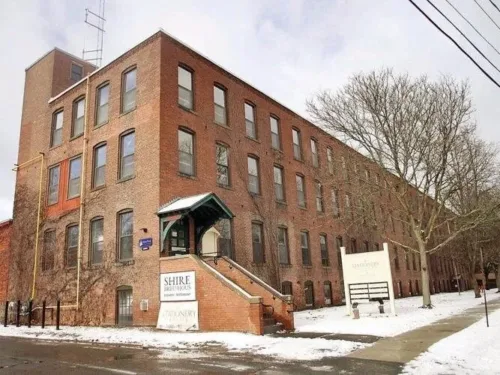
Why this is important: This case study demonstrates retrofit pathways for a historical condominium subject to Boston BERDO.

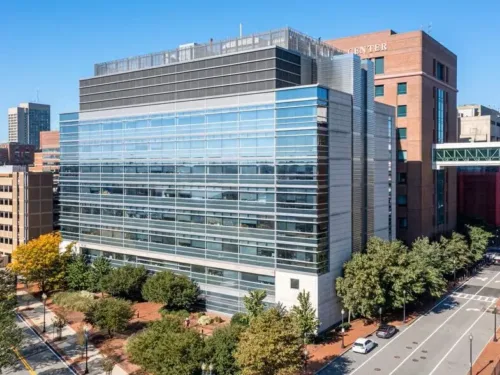
Why this is important: Lab-office facilities are energy intensive buildings. This case study demonstrates how sealing the envelope is necessary before upgrading systems.
Why this is important: This case study demonstrates how a large K-12 school can electrify systems through envelope upgrades, and air to water heat pumps replacing end-of-life boilers.

Why this is important: This case study demonstrates how a large dormitory can electrify domestic hot water through heat pump water heater replacements.
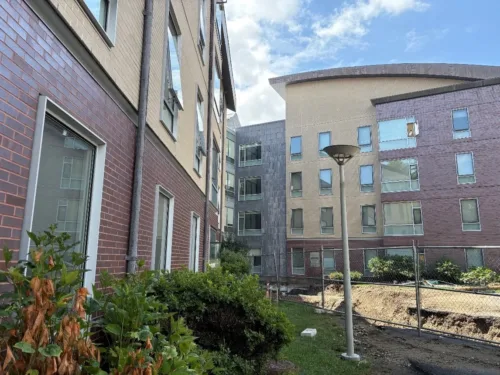
Why this is important: This case study demonstrates how a historic mixed-use manufacturing space can decarbonize heating with rooftop units (RTUs) and electric water heaters.