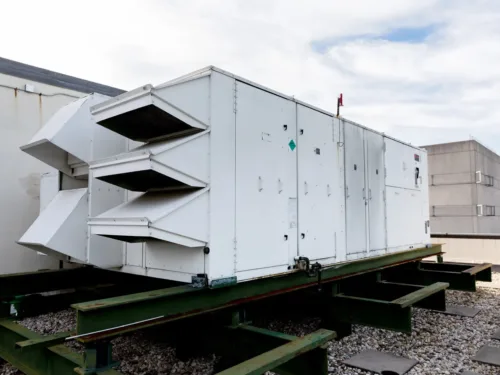
Reducing Retrofit Risk with Predictive, Physics based Modeling
MediaWhy this is important: Predictive, physics-based modeling helps reduce retrofit uncertainty, improve performance, enable holistic decarbonization planning.

A library of building performance resources sourced from experts and partners from across Massachusetts and beyond. Discover relevant tools, case studies, on-demand training, and more all curated in one spot.
Why this is important: Predictive, physics-based modeling helps reduce retrofit uncertainty, improve performance, enable holistic decarbonization planning.
Why this is important: Thermal breaks can significantly reduce heat loss, improve overall building performance, and enhance both the envelope and HVAC efficiency across a wide range of project types.
Why this is important: Super-insulating aerogels dramatically improve thermal performance, enhance energy efficiency, and maintain architectural design integrity.
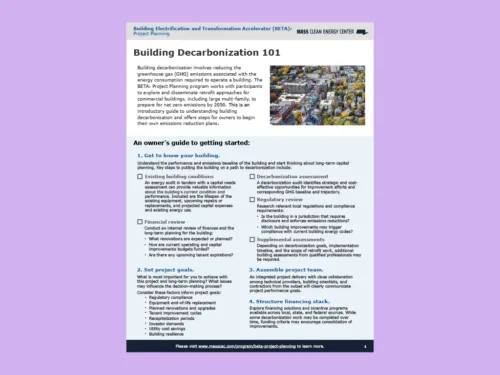
Why this is important: Introductory guide to understanding building decarbonization and steps for owners to begin their own emissions reduction plans.
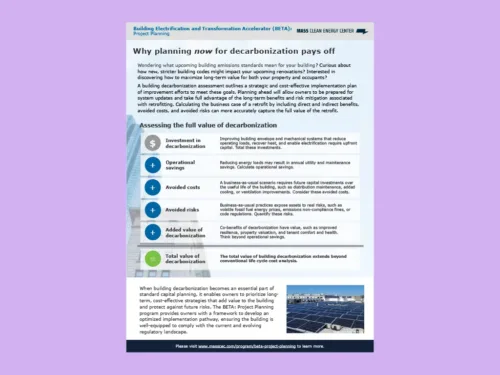
Why this is important: Planning ahead for building upgrades allows owners to prepare for system updates and take full advantage of the long-term benefits and risk mitigation associated with retrofitting.
Why this is important: Purchase Power Agreements enable building owners to collaborate on renewable energy projects and offset their on-site emissions.

Why this is important: Example of a mixed-use residential and artist studios building in Boston that implemented upgrades to save energy on heating and cooling, improve comfort and durability.
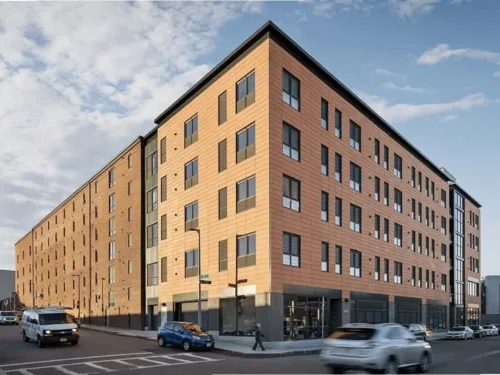
Why this is important: Retrocommissioning is the process of optimizing a building's HVAC, electrical, and other systems to save energy. Learn from this example of BXP's office buildings across Boston.

Why this is important: Example of a large affordable housing building deep energy retrofit that fostered collaboration between the building owner and tenants organization.

Why this is important: Learn how a historical church in Boston upgraded their systems, added geothermal heating and cooling, and preserved architectural integrity.

Why this is important: Learn from an affordable housing deep energy retrofit that leveraged local, state, and federal funds.

Why this is important: This 2-page case study covers the project's funding sources, pre-existing conditions, retrofit strategy, tenant engagement, and lessons learned.

Why this is important: This 2-page case study covers the project's funding sources, pre-existing conditions, retrofit strategy, tenant engagement, and lessons learned.
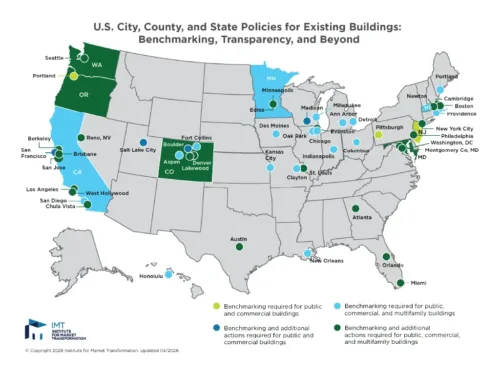
Why this is important: Helps you quickly understanding the landscape of building performance-related laws across the U.S.
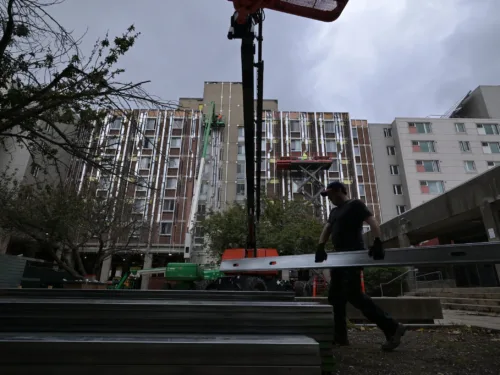
Why this is important: A living library of case studies, technical resources, and best practices to support high quality, low carbon upgrades.

Why this is important: Explains how two-pipe steam systems work and are unique from one-pipe, steps to implement, and their costs and benefits.

Why this is important: Explains how metro steam systems work to enhance resident comfort and improve quality of heat through piping in a building.

Why this is important: Explains how DOAS and ERVs provide ventilation that improves air quality and occupant comfort, how to upgrade, and their costs and benefits.