Proven Practices
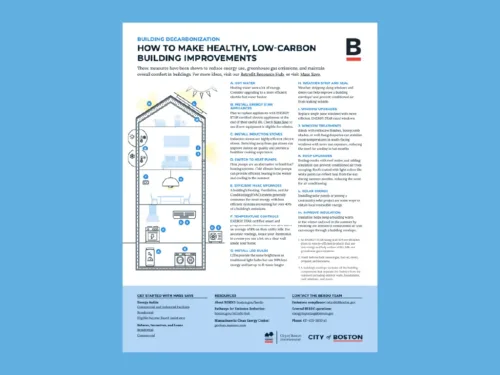
How to make Healthy, Low-Carbon Building Improvements
Guides & How TosWhy this is important: A City of Boston resource that provides an introductory summary of measures to improve building performance and lower carbon pollution in buildings.
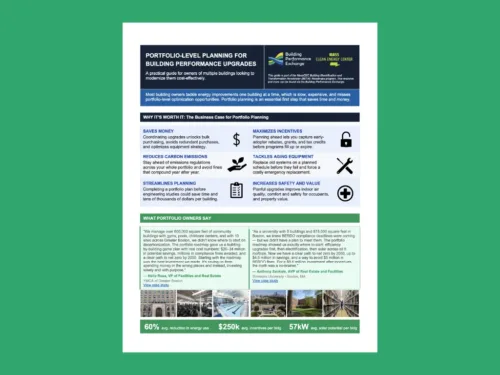
Portfolio-level Planning for Building Performance Upgrades
Guides & How TosWhy this is important: Portfolio-level plans provide owners of multiple buildings (2+) with a coordinated roadmap for energy improvements across their portfolio.
A Practical Guide for Existing Buildings Commissioning
Guides & How TosWhy this is important: For Building Owners and Managers, commissioning is a cost-effective process to improve performance of existing equipment and controls, saving money on maintenance and utilities.
High-Performance Building Technologies
The High Performance Technology Primers are a set of resources that introduce readers to solutions that can help save energy and improve comfort in their buildings. Each Tech Primer introduces a high performance technology and outlines steps for its implementation. A costs and benefits rating system helps readers choose the right technology for their building
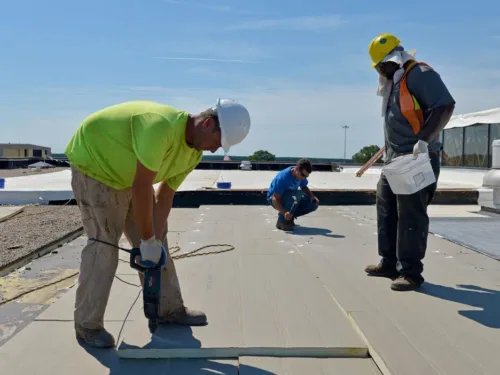
Tech Primer: Roof Insulation
Guides & How TosWhy this is important: Roof insulation plays a role in moderating indoor temperature. Upgrading insulation improves building lifespan, and lowers operating costs.
Tech Primer: Air to Water Heat Pumps (AWHPs)
Guides & How TosWhy this is important: Air to water heat pumps (AWHPs) can supplement or replace a fossil fuel domestic hot water system, reducing emissions and saving energy in a building.

Tech Primer: Plug Loads and Energy Use Reduction
Guides & How TosWhy this is important: A guide to saving energy in tenant occupied spaces: upgrading to efficient appliances, sub-metering, installing smart controls.
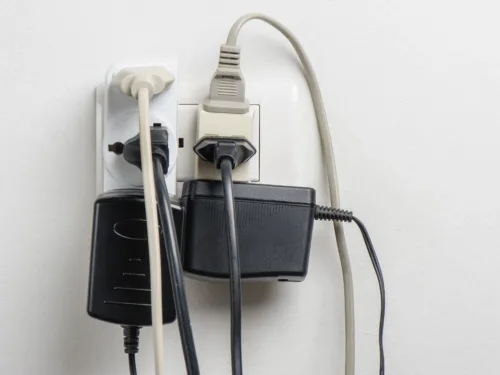
These High Performance Technology Primers were prepared by the Building Performance Partnership (BPP) to introduce decision-makers to solutions that can help them save energy and improve comfort in their buildings.
Learn From Real Building Performance Planning
Through real world examples of diverse commercial buildings, learn how planned upgrades impact energy and utility savings, lifecycle costs, and building performance goals.
We recommend watching this video to get started. Built Environment Plus and MassCEC hosted a virtual event recapping and digesting key takeaways from the following building performance plans.
670 Albany Street
A Boston lab built in 2005
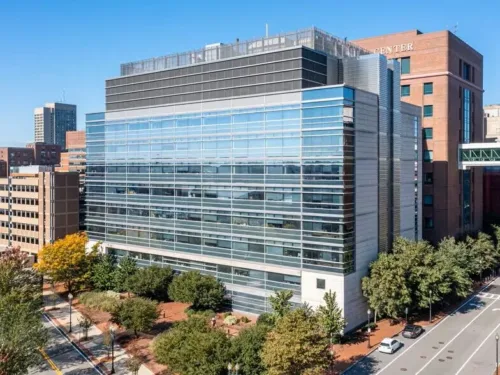
Waltham Healthcare
A Waltham facility built in 1992 & 1996
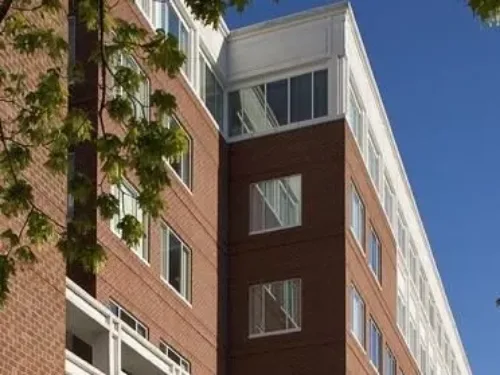
Turner Falls School
A Montague school built in 1970
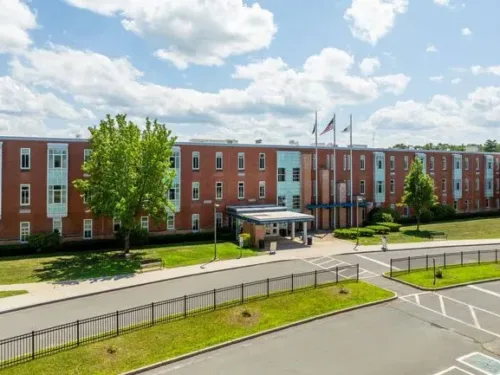
Danesh Residences
A Brookline Multi-family built in 1972
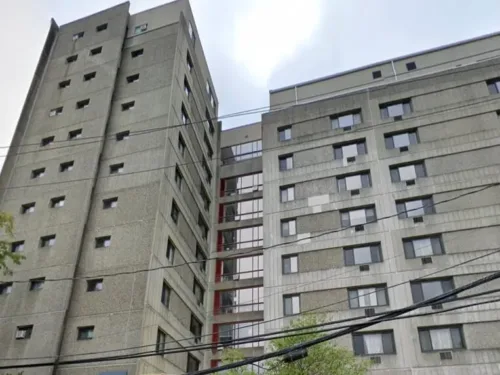
450 Artisan Way
A Somerville mixed-use building built in 2014
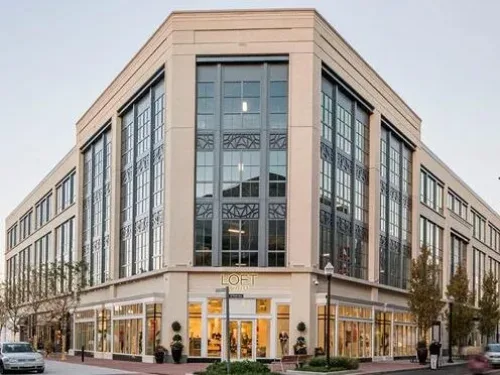
Envision Hotel
A Mansfield hotel built in 1979
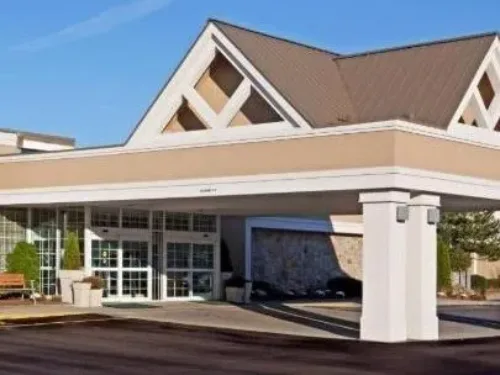
Temple Beth Avodah
A Newton temple built in 1970
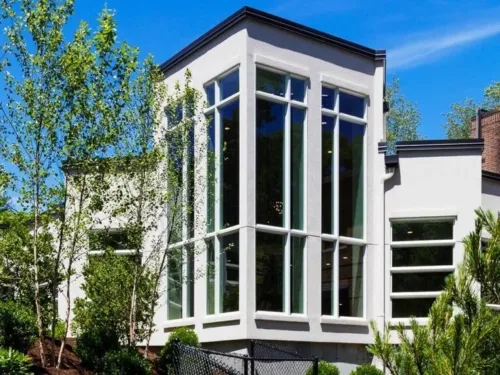
Thompson Elementary
A Arlington school built in 2013
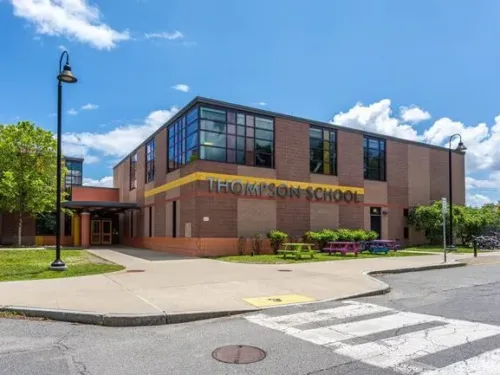
Fulton Street Condos
A Boston condo built in 1850
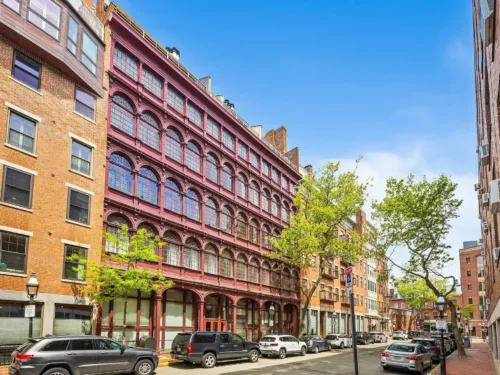
Hathaway Mills
A New Bedford mill built in 1910
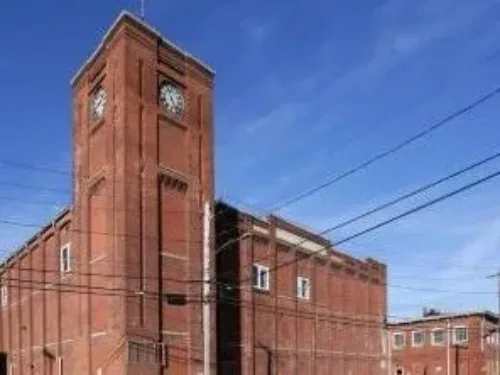
Stationary Factory
A Dalton factory built in 1889
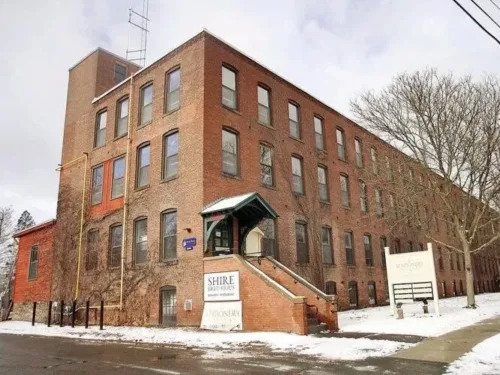
West Hall at Odin College
A Needham dorm built in 2000
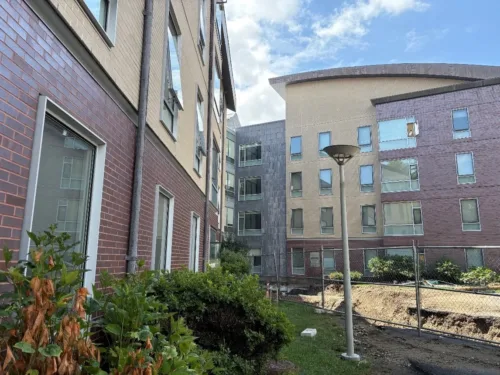
This growing collection of case studies above is produced through the Massachusetts Clean Energy Center’s BETA: Project Planning program. The program pilots a decarbonization assessment process for commercial buildings and multifamily residential buildings with 15 or more units. The pilot provides no cost, in-depth building audits to support commercial building owners in creating an electrification and decarbonization plan.
Zero-Over-Time Planning
Zero-over-time plans are long-term strategies to achieve net-zero carbon emissions in buildings. These plans take into account existing equipment, capital expenditures, and budget to determine the most strategic timeline for implementing energy savings measures.
Free Technical Assistance for Boston Building Owners
The Building Decarbonization Advisor Program
The City of Boston has hired building experts to help Boston BERDO building owners make and follow plans to lower their buildings’ energy emissions and comply with BERDO. Awardees will receive free decarbonization planning services and technical assistance, and may be eligible for funding to support implementation.
Portfolio-level Planning
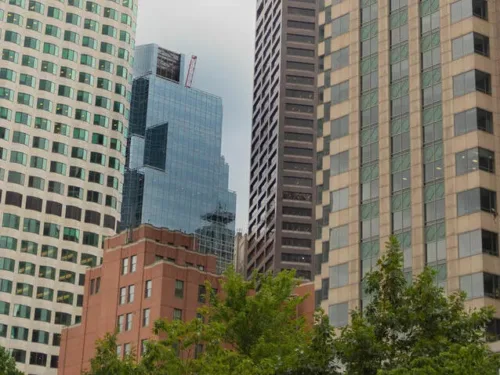
Portfolio-level plans provide owners of multiple buildings (2+) with a coordinated roadmap for energy improvements across their portfolio. By evaluating each building’s equipment and energy data as a part of a larger portfolio, these plans help maximize incentives and reduce costs to help owners meet performance and regulatory goals.
Portfolio Roadmap: Pine Street Inn
Case StudiesWhy this is important: High-level summary of how a portfolio of 13 lodging / hospitality buildings plan to reach net-zero emissions by 2050.
Portfolio Roadmap: Codman Square Neighborhood Development Corporation
Case StudiesWhy this is important: High-level summary of how a portfolio of 19 affordable housing buildings plan to reach net-zero emissions by 2050.
Portfolio Roadmap: Simmons University
Case StudiesWhy this is important: High-level summary of how 5 higher education buildings plan to reach net-zero emissions by 2050.
Portfolio Roadmap: Excel Academy Charter Schools
Case StudiesWhy this is important: High-level summary of how 3 charter schools plan to reach net-zero emissions by 2050.
Portfolio Roadmap: YMCA of Greater Boston
Case StudiesWhy this is important: High-level summary of 12 gyms plan to reach net-zero emissions by 2050.
Portfolio Roadmap: WGBH Educational Foundation
Case StudiesWhy this is important: High-level summary of how 2 broadcasting buildings plan to reach net-zero emissions by 2050.
Additional Existing Building Case Studies
Retrofit Playbook for Larger Buildings
Case StudiesWhy this is important: A living library of case studies, technical resources, and best practices to support high quality, low carbon upgrades.

Case Studies on The Building Energy Hub website
Case StudiesWhy this is important: Learn from building upgrade case studies of different building types in Illinois.

Case Studies on The Building Innovation Hub website
Case StudiesWhy this is important: Learn from building upgrade case studies of different building types in the Washington, DC area.

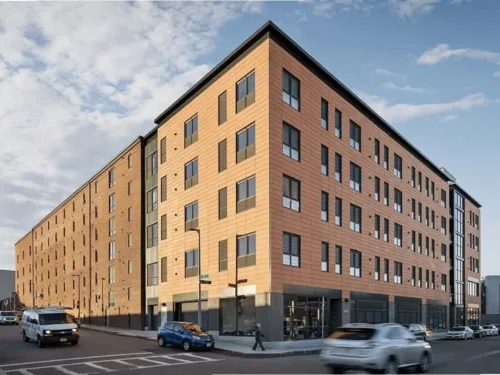
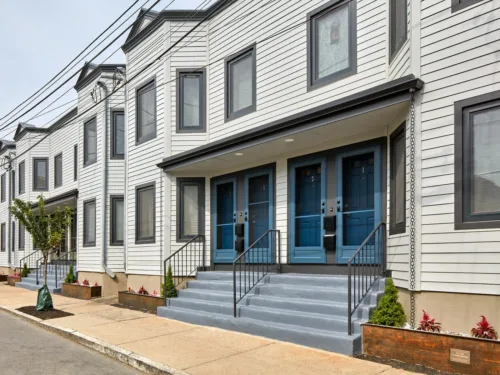
Weatherization: The Distillery North
Case StudiesWhy this is important: Example of a mixed-use residential and artist studios building in Boston that implemented upgrades to save energy on heating and cooling, improve comfort and durability.
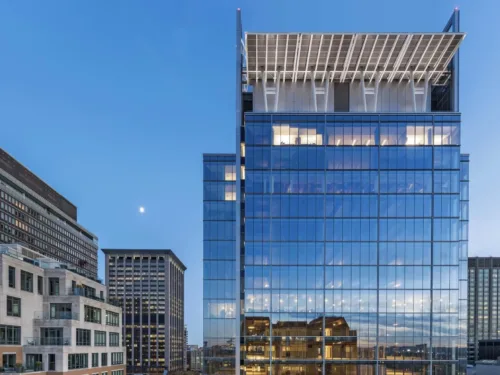
Energy Efficiency: Retro-commissioning BXP Office Buildings
Case StudiesWhy this is important: Retrocommissioning is the process of optimizing a building’s HVAC, electrical, and other systems to save energy. Learn from this example of BXP’s office buildings across Boston.
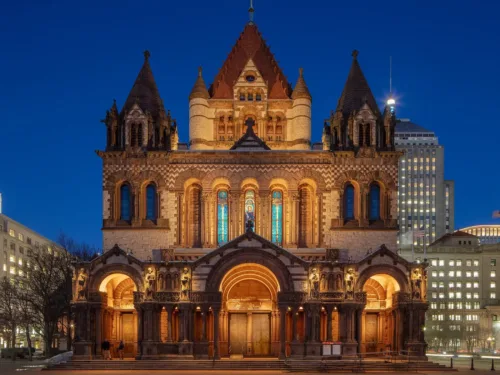
Innovative Approaches to Building Decarbonization: Trinity Church
Case StudiesWhy this is important: Learn how a historical church in Boston upgraded their systems, added geothermal heating and cooling, and preserved architectural integrity.
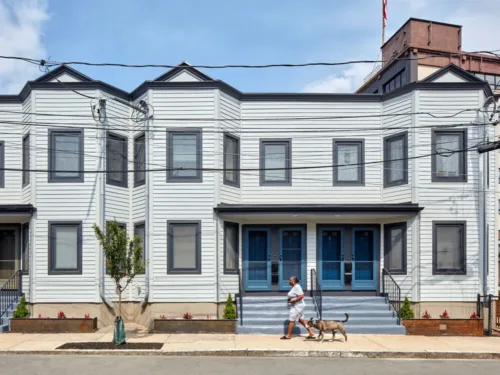
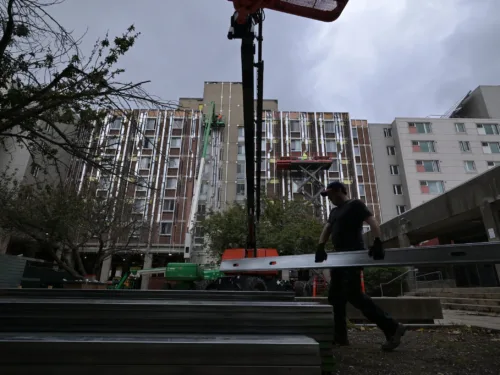
Climate Justice: Hano Homes
Case StudiesWhy this is important: Learn from an affordable housing deep energy retrofit that leveraged local, state, and federal funds.
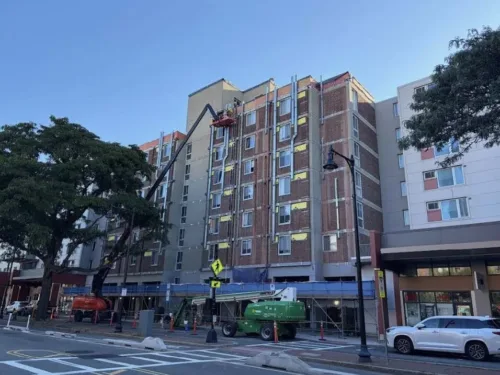
Deep Energy Retrofit: Eva White Apartments
Case StudiesWhy this is important: Example of a large affordable housing building deep energy retrofit that fostered collaboration between the building owner and tenants organization.
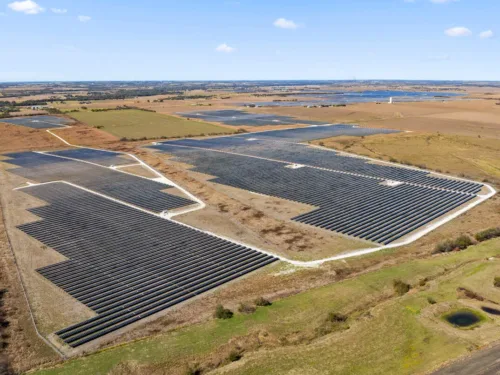
Renewable Energy: Solar Purchase Power Agreement
Case StudiesWhy this is important: Purchase Power Agreements enable building owners to collaborate on renewable energy projects and offset their on-site emissions.
Boston BERDO Case Study: Deep Energy Retrofit at Eva White Apartments
Case StudiesWhy this is important: This 2-page case study covers the project’s funding sources, pre-existing conditions, retrofit strategy, tenant engagement, and lessons learned.
Boston BERDO Case Study: Deep Energy Retrofit at Hano Homes
Case StudiesWhy this is important: This 2-page case study covers the project’s funding sources, pre-existing conditions, retrofit strategy, tenant engagement, and lessons learned.
LISC Decarbonization Hub website
Professional ServicesWhy this is important: Explore deep energy retrofit case studies, funding opportunities, and a vendor list to support the decarbonization of affordable multi-family buildings.
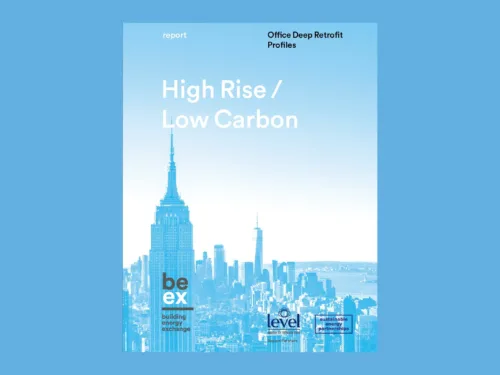
High Rise / Low Carbon Multifamily
Case StudiesWhy this is important: A collection of deep retrofit profiles of fourteen tall residential buildings to demonstrate how existing high-rise multifamily buildings can achieve low carbon emission targets.
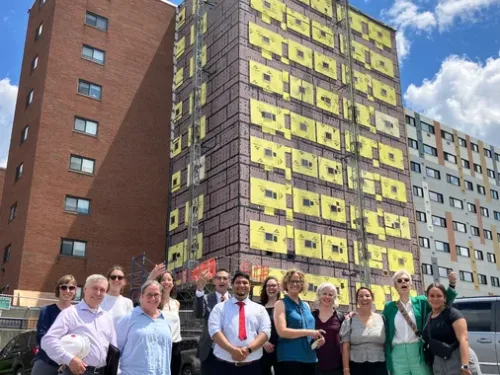
Case Study: Carroll Tower
Case StudiesWhy this is important: Learn how window heat pump technology can be deployed at scale in affordable housing, as a cost-savings solution to heating and cooling.
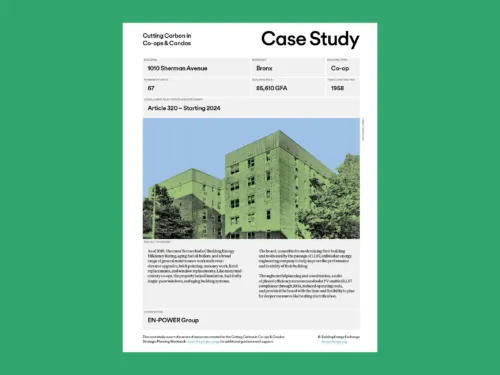

Boston BERDO Compliance Workbook for Condos and Co-ops
Guides & How TosWhy this is important: For Boston condo associations and co-op owners, this workbook provides a step-by-step process on BERDO compliance and Zero-Over-Time planning.
Strategic Decarbonization Planning Series: Resource Efficient Decarbonization
On Demand TrainingWhy this is important: 2-part series to help industry professionals tackle retrofit projects with confidence. Resource Efficient Decarbonization (RED) is used to decarbonize buildings in cold climates.

Strategic Decarbonization Planning Series: Building the Business Case
On Demand TrainingWhy this is important: 2-part series to help industry professionals tackle retrofit projects with confidence. This session focuses on finance and long-term asset strategies to inform decision-making.