Performance Planning: 670 Albany Street
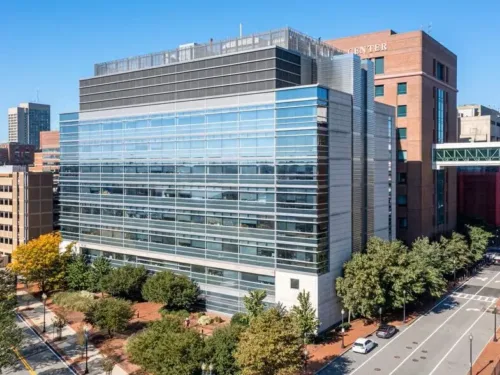
Case StudiesWhy this is important: Lab-office facilities are energy intensive buildings. This case study demonstrates how sealing the envelope is necessary before upgrading systems.
A library of building performance resources sourced from experts and partners from across Massachusetts and beyond. Discover relevant tools, case studies, on-demand training, and more all curated in one spot.
Why this is important: Lab-office facilities are energy intensive buildings. This case study demonstrates how sealing the envelope is necessary before upgrading systems.
Why this is important: This case study demonstrates how a large K-12 school can electrify systems through envelope upgrades, and air to water heat pumps replacing end-of-life boilers.
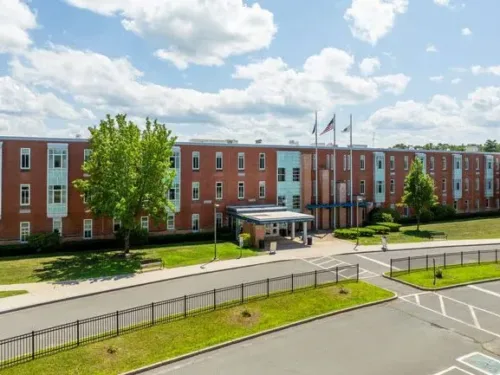
Why this is important: This case study demonstrates how a large dormitory can electrify domestic hot water through heat pump water heater replacements.
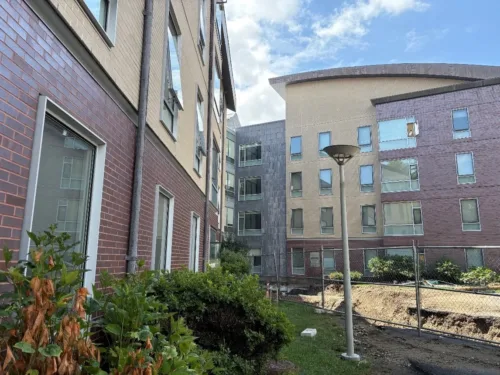
Why this is important: This case study demonstrates how a historic mixed-use manufacturing space can decarbonize heating with rooftop units (RTUs) and electric water heaters.
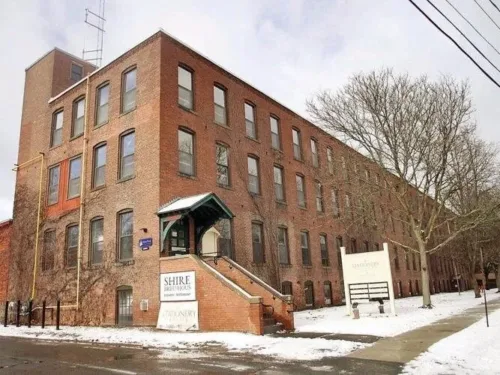
Why this is important: This case study demonstrates how a healthcare center can decarbonize by replacing end-of-life HVAC systems with air to water heat pumps and heat pump RTUs.
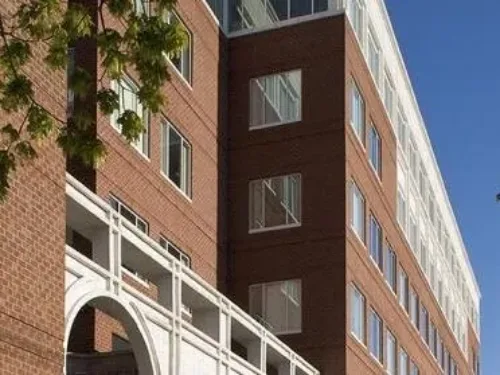
Why this is important: This case study demonstrates how a religious worship building can improve occupant thermal comfort and save money on utilities through electrification and added building controls.
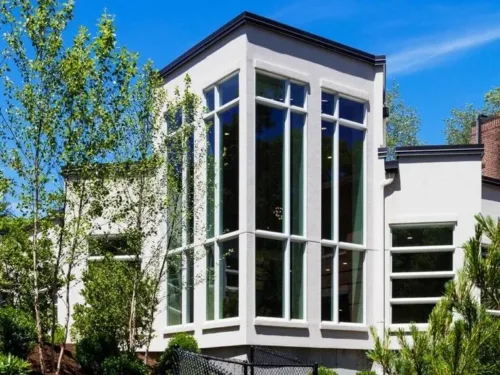
Why this is important: This case study demonstrates how a historic manufacturing space can plan for phased decarbonization, improving energy efficiency first then electrifying heating and cooling.
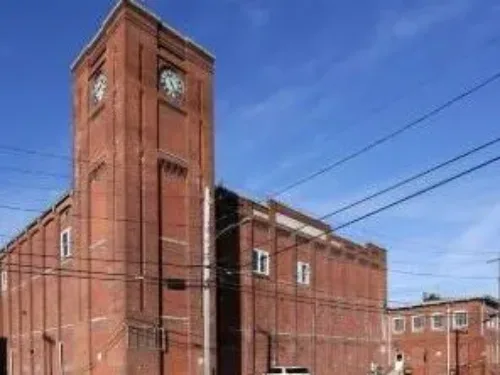
Why this is important: This case study demonstrates how a hotel can pursue electrification through roof replacement, HVAC optimization, and targeted envelope upgrades.
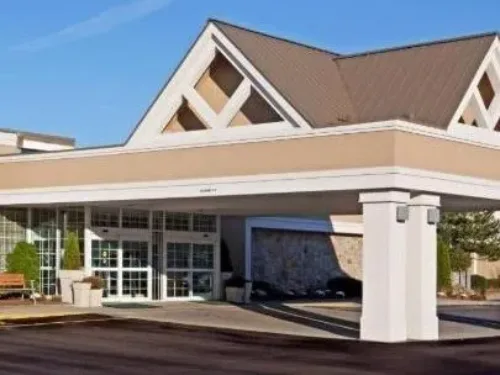
Why this is important: This case study demonstrates how a large multi-family building can decarbonize over long-term system changes, including air sealing, new windows, and heat pump replacements.
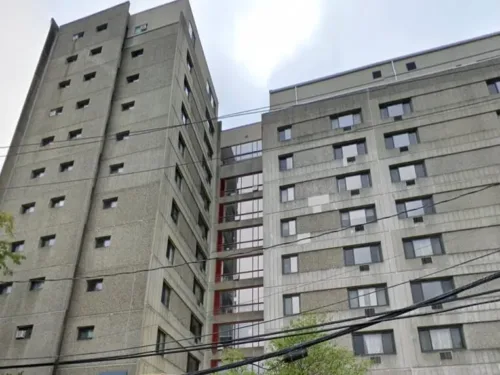
Why this is important: This case study demonstrates how a recently constructed mixed-use office and retail facility can improve performance and electrify heating and cooling.

Why this is important: This case study demonstrates how an elementary school can replace end-of-life boilers with a heat pump system, adding air sealing and solar to improve performance and comfort.
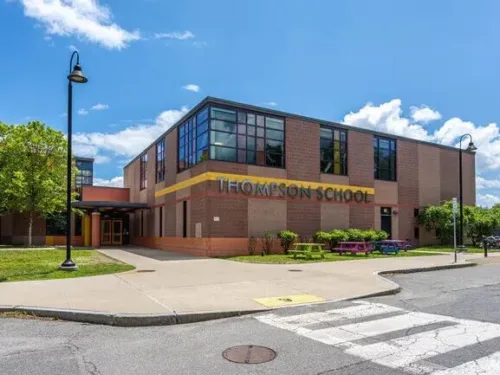
Why this is important: Predictive, physics-based modeling helps reduce retrofit uncertainty, improve performance, enable holistic decarbonization planning.

Why this is important: Thermal breaks can significantly reduce heat loss, improve overall building performance, and enhance both the envelope and HVAC efficiency across a wide range of project types.
Why this is important: Super-insulating aerogels dramatically improve thermal performance, enhance energy efficiency, and maintain architectural design integrity.
Why this is important: Examples of how co-ops and condo buildings leveraged funding and incentives to retrofit their buildings in New York.
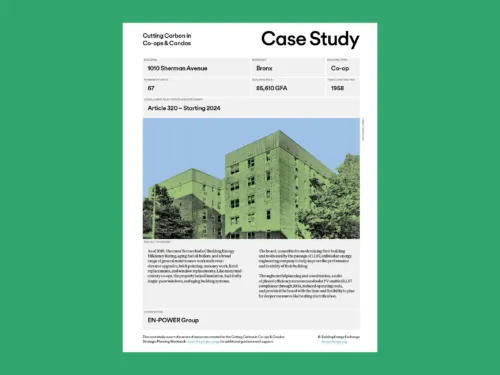
Why this is important: Learn how a historical church upgraded their heating and cooling systems to ground-source heat pumps, leveraging incentives to cover part of the cost.

Why this is important: This webinar covers how two institutions, Wellesley Village Church and Allston Brighton CDC, balanced, sequenced, and financed decarbonization measures.

Why this is important: This webinar covers navigating building performance standards, various pathways to decarbonization, and a general overview of how to pay for building upgrades.