City of Boston Renewable Energy Provider List
Professional ServicesWhy this is important: Find qualified renewable energy providers in the Boston area. Information is self-reported and not endorsed by the City of Boston.
A library of building performance resources sourced from experts and partners from across Massachusetts and beyond. Discover relevant tools, case studies, on-demand training, and more all curated in one spot.
Why this is important: Find qualified renewable energy providers in the Boston area. Information is self-reported and not endorsed by the City of Boston.
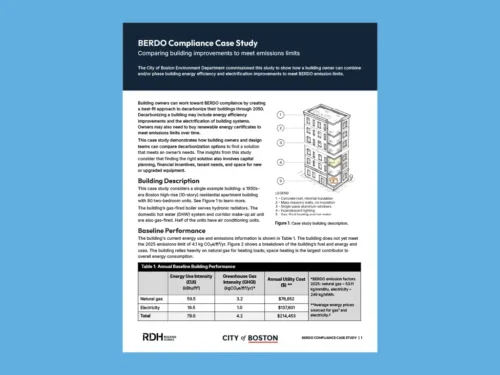
Why this is important: This case study examines seven scenarios for Boston BERDO compliance in the context of an aging/end-of-life building enclosure and mid-life mechanical systems.

Why this is important: Provides a standard framework for buildings pursuing decarbonization to document a long-term plan, including building profile, equipment life cycles, and business-as-usual costs.
Why this is important: Purchase Power Agreements enable building owners to collaborate on renewable energy projects and offset their on-site emissions.

Why this is important: Example of a mixed-use residential and artist studios building in Boston that implemented upgrades to save energy on heating and cooling, improve comfort and durability.

Why this is important: Retrocommissioning is the process of optimizing a building's HVAC, electrical, and other systems to save energy. Learn from this example of BXP's office buildings across Boston.

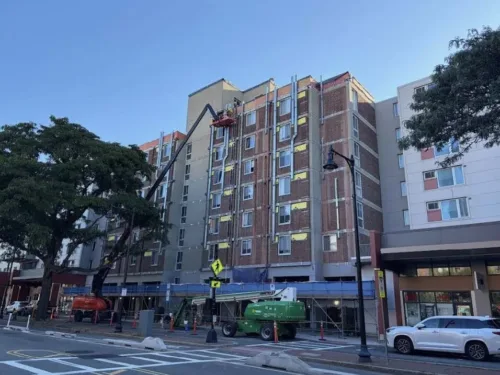
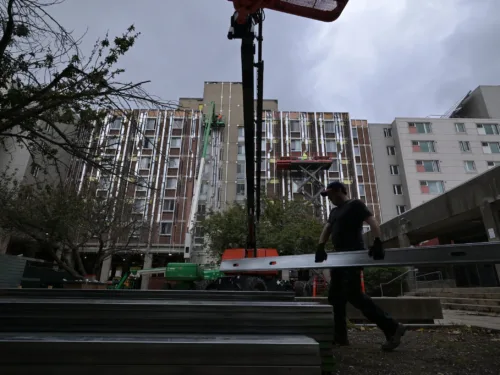
Why this is important: Example of a large affordable housing building deep energy retrofit that fostered collaboration between the building owner and tenants organization.

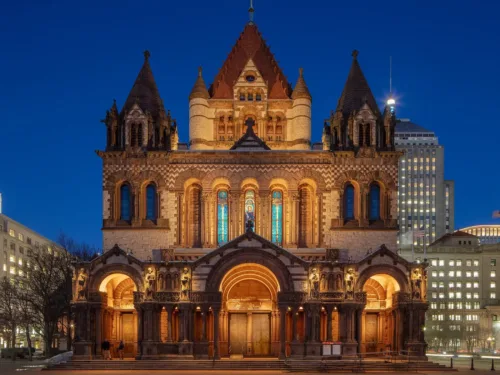
Why this is important: Learn how a historical church in Boston upgraded their systems, added geothermal heating and cooling, and preserved architectural integrity.

Why this is important: Learn from an affordable housing deep energy retrofit that leveraged local, state, and federal funds.

Why this is important: This 2-page case study covers the project's funding sources, pre-existing conditions, retrofit strategy, tenant engagement, and lessons learned.

Why this is important: This 2-page case study covers the project's funding sources, pre-existing conditions, retrofit strategy, tenant engagement, and lessons learned.

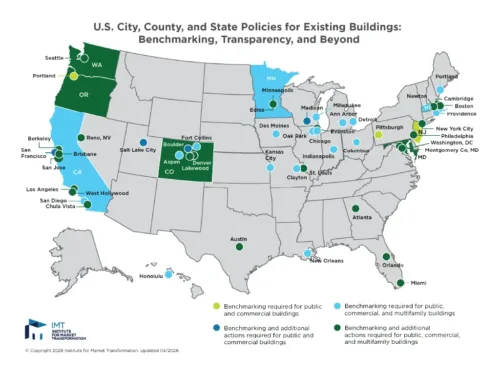
Why this is important: Helps you quickly understanding the landscape of building performance-related laws across the U.S.

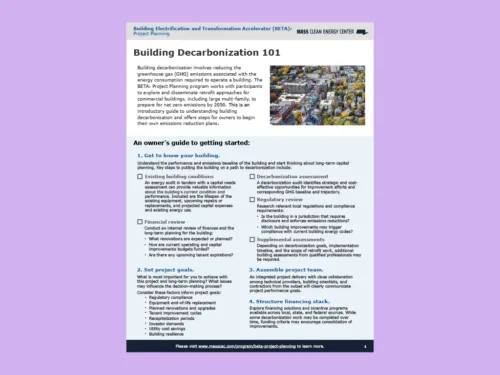
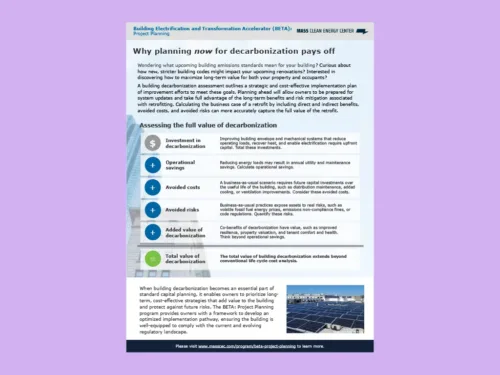
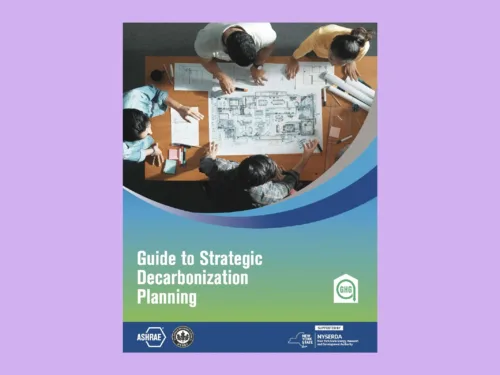
Why this is important: Provides a practical framework for planning decarbonization by aligning emissions reductions with capital planning, and long-term goals.

Why this is important: A living library of case studies, technical resources, and best practices to support high quality, low carbon upgrades.

Why this is important: Equips owners with the knowledge and resources to procure the right professionals, navigate critical project details, and ensure high-performance results.

Why this is important: A collection of deep retrofit profiles of fourteen tall residential buildings to demonstrate how existing high-rise multifamily buildings can achieve low carbon emission targets.

Why this is important: Learn from 18 deep energy retrofit projects that transformed out-of-date buildings in New York into energy efficient, modern offices.

Why this is important: Explains how two-pipe steam systems work and are unique from one-pipe, steps to implement, and their costs and benefits.