Building Performance Policies: Maps and Comparisons
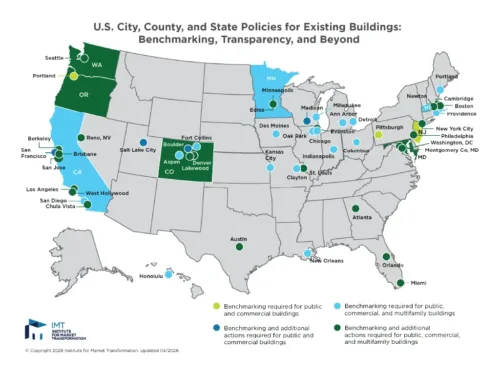
Programs & ToolsWhy this is important: Helps you quickly understanding the landscape of building performance-related laws across the U.S.
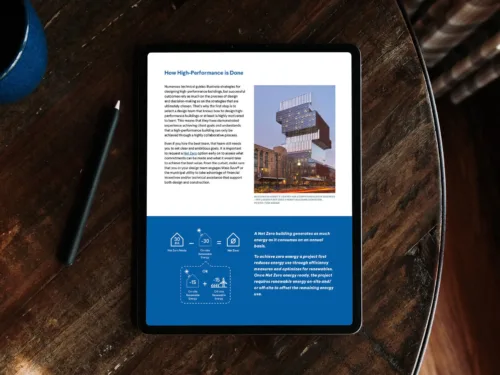
A library of building performance resources sourced from experts and partners from across Massachusetts and beyond. Discover relevant tools, case studies, on-demand training, and more all curated in one spot.
Why this is important: Helps you quickly understanding the landscape of building performance-related laws across the U.S.
Why this is important: Provides a practical framework for planning decarbonization by aligning emissions reductions with capital planning, and long-term goals.

Why this is important: A living library of case studies, technical resources, and best practices to support high quality, low carbon upgrades.

Why this is important: Equips owners with the knowledge and resources to procure the right professionals, navigate critical project details, and ensure high-performance results.
Why this is important: A collection of deep retrofit profiles of fourteen tall residential buildings to demonstrate how existing high-rise multifamily buildings can achieve low carbon emission targets.

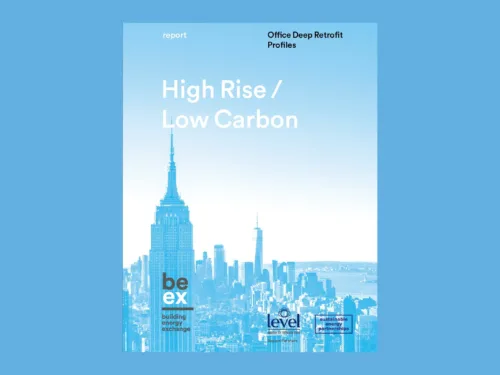
Why this is important: Learn from 18 deep energy retrofit projects that transformed out-of-date buildings in New York into energy efficient, modern offices.
Why this is important: Upgrading to high performance windows improves a building's insulation and air tightness, reducing heat transfer, drafts, and noise.

Why this is important: Explains how two-pipe steam systems work and are unique from one-pipe, steps to implement, and their costs and benefits.

Why this is important: Explains how metro steam systems work to enhance resident comfort and improve quality of heat through piping in a building.

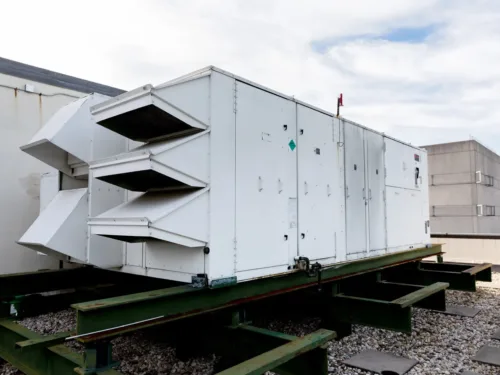
Why this is important: Explains how DOAS and ERVs provide ventilation that improves air quality and occupant comfort, how to upgrade, and their costs and benefits.
Why this is important: Introduction to hydronic heat systems, how they work, and when to implement. Benefits include balanced distributon, extended equipment life, and improved user comfort.

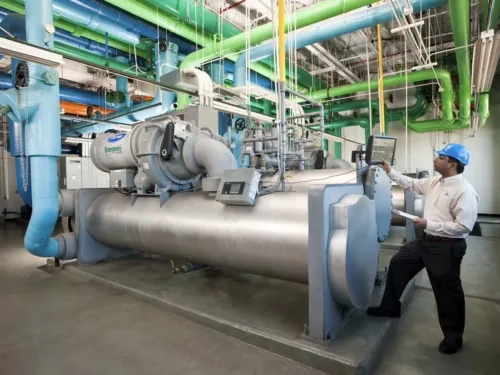
Why this is important: Chilled water plants can provide highly efficient centralized cooling upgrades through heat recovery and yield energy savings.
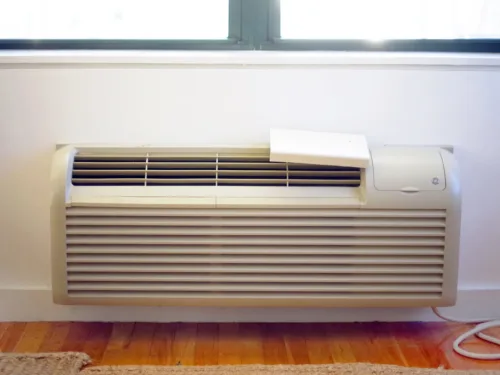
Why this is important: Packaged Terminal Heat Pumps (PTHPs) offer a decentralized air-source heat pump that saves energy and reduces emissions in multi-family buildings.
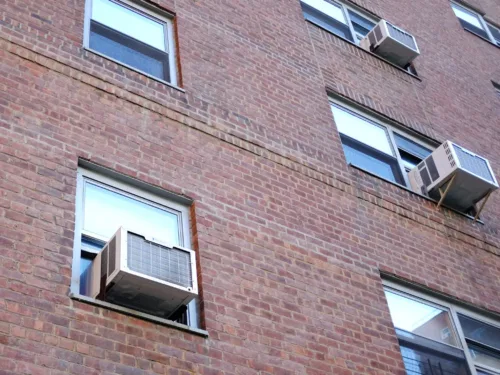
Why this is important: ERVs provide controlled and conditioned ventilation, improving air quality and occupant health.

Why this is important: Air sealing is one low-cost measure to improve a building's envelope, and increase efficiency while reducing heating and cooling bills.
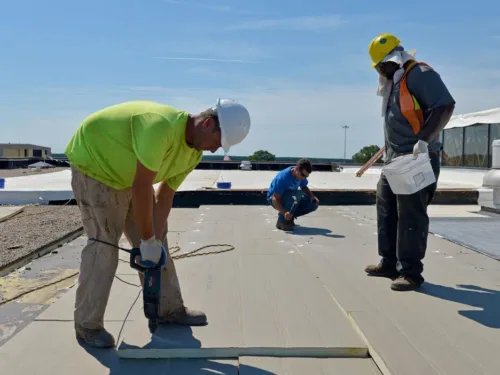
Why this is important: Roof insulation plays a role in moderating indoor temperature. Upgrading insulation improves building lifespan, and lowers operating costs.
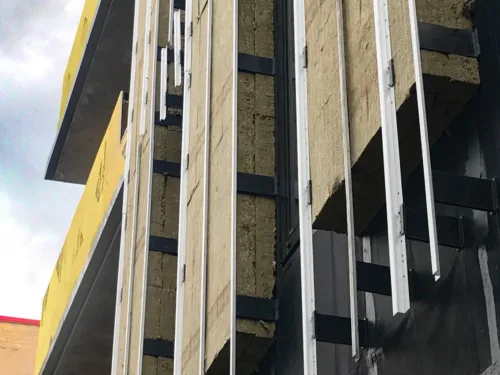
Why this is important: Insulation helps to moderate indoor comfort, save energy, and reduce utility bills in buildings.
Why this is important: Air to water heat pumps (AWHPs) can supplement or replace a fossil fuel domestic hot water system, reducing emissions and saving energy in a building.